Innovative Maid Room Design: Essential Insights and Trends
Intro
In a world where space is becoming increasingly precious, maid rooms have come to represent more than just a practical necessity in residential designs—they embody a blend of elegance and efficiency. These compact living quarters are the backbone of many homes, especially in bustling markets like Dubai. With skyrocketing property prices and unique design sensibilities, understanding how to optimize this space is essential for homebuyers, investors, and property managers alike.
Over the years, the design of maid rooms has undergone a significant transformation. Gone are the days when these spaces were merely an afterthought or a box tucked away in the far corner of a building. Today's maid rooms are an extension of the home’s architecture, thoughtfully designed to enhance usability without compromising on style.
This article explores key elements surrounding maid room design, noting critical trends, investment opportunities, and practical strategies to optimize these spaces for functionality and comfort. By venturing into the intricate realms of space optimization, aesthetic choices, and modern needs, we aim to equip our readers with the know-how to make informed decisions, fortifying their position in today's dynamic real estate market.
Market Trends
Current Property Prices and Trends
Dubai's property market remains a hot topic, showcasing robust prices driven by an influx of investors and a steady demand for high-quality residences. As of late 2023, areas such as Downtown Dubai and Dubai Marina are witnessing a surge in average property costs. Homebuyers are often faced with competitive bidding situations as luxury developments multiply.
- Trend analysis: The ongoing trend towards luxury living is interacting with the demand for maid rooms. Many new developments are emphasizing integrated maid accommodations that cater to modern families needing additional support without compromising on living space.
- Impact of lifestyle: Expats flocking to the city contributes to this sector’s vitality. Many residents prioritize functional living alongside aesthetic appeal, leading to a convergence of demand for spacious maid rooms that serve various purposes.
Upcoming Developments Impacting the Market
Several high-profile projects are in the pipeline, which will undoubtedly influence the market trends related to maid rooms:
- Meydan One Mall: A massive retail venture that will drive demand for nearby residential units.
- Dubai Creek Harbour: This visionary community that promises modern housing solutions integrated with workspaces, emphasizing smart living, may introduce a new standard for maid room facilities.
Such developments hint at an evolving approach, where maid rooms are envisaged not just as support spaces but as integral parts of the living experience.
Quote:
Understanding the Concept of Maid Rooms
Maid rooms, often a staple in homes, serve various functions that extend well beyond mere accommodation. They provide essential space for live-in staff, particularly in multi-generational or larger households, allowing for a level of service that some homeowners find indispensable. Understanding the nuanced role of maid rooms can significantly shape a residential design strategy, allowing homeowners and investors to optimize space while enhancing lifestyle.
In today’s urban settings, particularly in bustling cities like Dubai, the maid room's design has transformed alongside cultural and economic shifts. Initially, these spaces were merely basic utilities, often tucked away in corners of the household. As time has rolled on, the standards for maid room design have risen, and they are now regarded as an integral part of a home’s layout, yet many still overlook their potential. This oversight can diminish a home's value and function in the eyes of potential buyers or renters.
Historical Context of Maid Rooms
Historically, maid rooms were synonymous with privilege and luxury, exclusive to upper-class families. In many cultures, having domestic help was a norm, and a dedicated room for staff was considered a reflection of status. For instance, in Victorian homes, staff quarters were a common sight, usually situated away from the main family living areas to maintain privacy and order.
Over the decades, as societal norms evolved and the workforce changed, the need for maid rooms began to shift. Many families transitioned from live-in help to part-time assistance, which altered the room's design and function. In places like Dubai, the influx of expatriates in the workforce has created a unique distinction, fostering both a need for accommodation and a desire for more comfort within these rooms. Today, these spaces have morphed into havens that offer staff necessary privacy while allowing households to navigate their daily lives smoothly.
Maid Rooms in Contemporary Homes
In contemporary homes, particularly in luxury apartments and high-end residences, maid rooms are often designed with an eye for comfort and practicality. This evolution hasn't just been a change in aesthetics; it represents a paradigm shift in how families interact with their help.
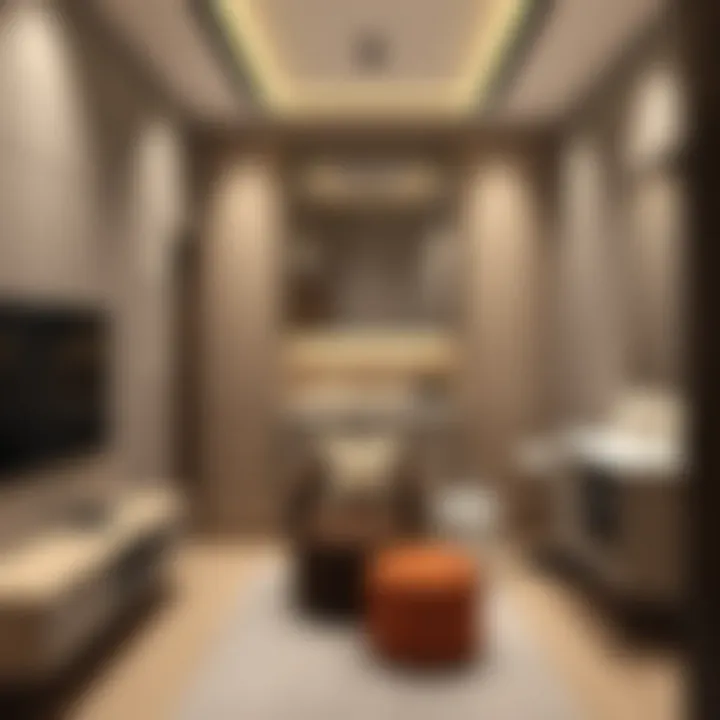
Modern maid rooms go beyond the basics; they often include adequate storage, well-designed layouts, and even adjoining bathrooms. For instance, a spacious maid room might feature built-in wardrobes, ensuring that staff can keep their belongings organized without impinging on the home’s decor.
Moreover, homeowners now see the maid room as a reflection of their values and lifestyle. As the lines between staff and family continue to blur, creating a space that respects both privacy and comfort becomes critical. Utilizing color schemes, quality materials, and effective lighting transforms these rooms into an inviting spaces – making it a true part of the home rather than an afterthought.
The right design can elevate a maid room from a mere utility space to a comfortable haven, ensuring a mutually respectful and functional relationship between homeowners and staff.
Through understanding the historical context and contemporary adaptations of maid rooms, homeowners and property developers can tap into innovative design strategies that cater not just to needs, but also embody the spirit of community and efficiency.
Importance of Maid Room Design
The design of maid rooms plays a crucial role in modern households, especially in urban settings like Dubai. These spaces are not just auxiliary rooms; rather, they serve functional and aesthetic purposes that contribute significantly to the overall value and livability of a home. Emphasizing the importance of maid room design involves dissecting how these spaces fit into the dynamics of household management and how they enhance the aesthetic appeal of home interiors.
Functional Role in Household Dynamics
From a practicality standpoint, maid rooms are integral to enhancing the efficiency of household operations. These designated areas often provide shelter for domestic staff, allowing them a space for rest and privacy, which is essential for maintaining a harmonious home environment. The arrangement and design of maid rooms can reflect a household's organization and management style.
When considering the layout of a maid room, various elements should be kept in mind:
- Accessibility: Ideally, the maid room should be easily accessible from the main living areas yet slightly tucked away to maintain privacy for both the staff and the residents.
- Amenities: A well-designed maid room includes basic amenities such as storage options, a small kitchenette, and a bathroom. This makes the space not only a resting area but also functional for day-to-day tasks.
- Space Efficiency: In many urban homes, it's all about maximizing limited space. Therefore, flexible furniture arrangements and built-in storage solutions are crucial for ease of movement.
A well-thought-out maid room design can significantly impact the relationship dynamics within a home. It can help create a feeling of respect and dignity for domestic staff while also ensuring that the household runs smoothly.
Aesthetic Contributions to Home écor
On the other side of the coin, the aesthetic design of maid rooms plays a vital role in the overall decor of the home. When these spaces are designed thoughtfully, they can seamlessly blend with the home's overall theme.
Several factors contribute to how maid rooms enhance a home aesthetically:
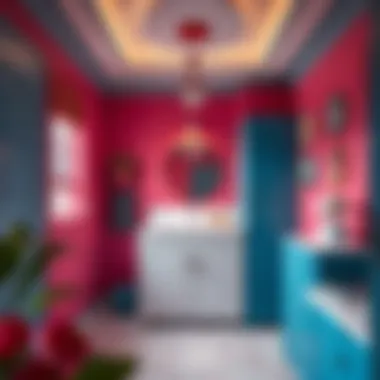
- Color Schemes: The right colors can evoke various feelings, contributing to a calming environment for staff when they are off-duty. Soft, neutral tones often work wonders in making a small space feel larger and more welcoming.
- Decorative Elements: Small decorative touches, whether it be artwork or plants, can elevate the maid room's ambiance. Even the choice of lighting can define the mood—natural light can enhance the warmth of the space, while strategically placed artificial lighting can offer functionality without compromising comfort.
- Continuous Design Flow: Integrating the design of the maid room with other parts of the home is essential. Doing so can create a sense of continuity and elegance. For example, using similar materials or colors that are found in the primary living spaces can offer a cohesive look.
Ultimately, poor maid room design can detract from the home, making it appear disheveled or chaotic. In contrast, an aesthetically pleasing maid room reflects a certain level of attention to detail that is often associated with luxury living.
A well-designed maid room not only adds value to a property but also enhances the overall quality of life experienced within the home.
In summary, understanding the importance of maid room design means acknowledging its multifarious role in both functionality and aesthetics. For investors, homebuyers, and property managers, recognizing these aspects can lead to better decision-making when it comes to maximizing the value of residential spaces. Such awareness opens doors to innovative design solutions that respect both form and function.
Key Design Principles for Maid Rooms
Designing a maid room is not just about providing a space; it’s about crafting a harmonious environment that fulfills both functional and aesthetic requirements. In today's bustling households, particularly in growing cities like Dubai, maid rooms are more than just an afterthought. They occupy a unique space within the residence, requiring thoughtful consideration of several key design principles.
Maximizing Limited Space
When it comes to maid rooms, space can often feel like a premium, especially in high-density urban settings. The trick is to transform those square feet into an oasis of productivity. The first step is understanding how to utilize the available area effectively.
Consider implementing built-in storage solutions. From beds that feature drawers underneath to wall-mounted shelves that make use of vertical space, innovative storage options help maintain organization within the room. For instance, a murphy bed that folds up during the day can create a more open feel while also making room for a compact desk or a seating area.
Additionally, using light colors can visually expand the space. Light hues reflect natural light, making the room seem larger than it actually is. Clever placement of mirrors can also give the illusion of depth and space by bouncing light around the room. The goal should be to create a balanced ambience that feels inviting and functional, without a cluttered appearance.
"Space isn’t merely an empty vessel; it’s an opportunity to create something meaningful."
Creating Multi-Functional Areas
Modern maid rooms are increasingly designed to serve more than just one purpose. This adaptability is crucial in homes that prioritize efficiency. For example, integrating a small workspace with a comfortable chair and a light-weight desk opens possibilities for additional use, such as study areas or project spaces. This design philosophy resonates particularly well with properties that attract families or professionals who are looking for functional efficiency.
To achieve this, furniture that can be easily rearranged, like folding chairs or collapsible tables, is ideal. These flexible furniture pieces make it simple to change the layout as needed, providing versatility depending on the specific situation.
Incorporating technology into these spaces can optimize function. For instance, a smart assistant device can offer convenience, aiding in task management or maintaining schedules without requiring a significant physical footprint. This fusion of design and functionality creates a seamless living experience for everyone involved.
Incorporating Privacy Elements
While maid rooms serve a functional purpose, it’s also essential to consider the privacy of the individuals using these spaces. Incorporating soundproofing materials in walls and doors not only enhances the comfort of those who occupy the room but also mitigates any disturbances that might arise from other areas of the home.
Furthermore, strategically placed dividers or curtains can offer a level of intimacy that goes beyond mere physical walls. This option is particularly useful in open-concept living arrangements where sounds and activities can blend together. A simple fabric panel draped in a creative way can provide not only separation but also a touch of elegance.
Adding plant life can also contribute to a sense of privacy. Greeneries such as tall potted plants or vertical gardens create natural barriers and improve air quality, enhancing the overall atmosphere in the maid room.
Integrating these elements ensures that maid rooms do not feel like relegated spaces but rather thoughtful additions to a home, where every individual feels respected and comfortable.
By applying these design principles, homeowners can achieve a maid room that embodies efficiency, comfort, and privacy—ultimately enriching the overall living experience in today’s dynamic urban environments.
Materials and Finishes for Maid Rooms
Choosing the right materials and finishes for maid rooms is crucial to ensuring these spaces are not just functional, but also comfortable and visually appealing. A well-thought-out selection can make all the difference in everyday use, whether the aim is to create a cozy retreat or a more utilitarian work environment. In this section, we delve into specific materials, considerations, and the benefits they offer, addressing how they align with both aesthetic preferences and practical needs in the context of Dubai's unique real estate market.
Choosing the Right Furnishings
When it comes to outfitting a maid room, the right furnishings can elevate the space significantly. It's not just about filling the room with items; it's about carefully selecting pieces that maximize utility without sacrificing style. Think about the following elements:
- Functionality: The furniture should serve a clear purpose. A compact desk with built-in storage can act as a workspace for any paperwork or communication needs, while a single bed can provide comfort without encroaching on space.
- Size Considerations: Opt for furniture that fits the scale of the room. Large, bulky items could overwhelm the space, making it feel cramped. Instead, think smaller—perhaps a foldable dining table or stackable chairs. This keeps the area feeling open and adaptable.
- Durability: Given the nature of maid rooms, choose materials that can withstand daily wear. Polyurethane-coated surfaces are easy to clean and come in various styles, making them suitable for both practical use and aesthetics.
- Aesthetic Cohesion: Consider how the furnishings tie into the overall design of the home. A rustic wooden bed might complement a traditional home, while sleek metal furniture works better in a contemporary setting.
By emphasizing these factors, homebuyers and property managers alike can create maid rooms that not only fit their needs but also integrate smoothly into the larger design of the home.
Wall Treatments and Floor Options
The visual appeal and functionality of a maid room can greatly benefit from thoughtful wall treatments and flooring choices. Both elements play pivotal roles in establishing the room’s atmosphere and enhancing its usability.
- Wall Treatments: Selecting the right wallpaper or paint can dramatically change how a maid room feels. Here are some considerations:
- Floor Options: The flooring choice should also reflect the room's function.
- Color: Lighter colors can make a small space feel larger, while warmer tones might create a cozier ambiance. Pale blues or soft greens work wonderfully for creating a calm environment.
- Material: Consider using washable wallpapers or vinyl wall coverings that are easier to maintain. This is particularly important in spaces where stains or marks are likely to occur.
- Tile: Durable and easy to clean, tiles are a great choice for utility. They come in countless designs, allowing homeowners to customize the appearance significantly.
- Carpet: While carpets add warmth and comfort, they require more maintenance. For maid rooms, a low-pile, synthetic carpet can offer a good balance of comfort with easy cleaning.
Incorporating wall treatments and flooring options that harmonize with both functionality and aesthetics can transform maid rooms into spaces that are not only practical but inviting, encouraging a sense of home in multifaceted living environments.
"Thoughtful material and finish choices in maid rooms can enhance usability while contributing positively to the overall interior design of the home."

Each decision regarding materials and finishes contributes significantly to the practical and aesthetic alignment of the room with the homeowner's vision and lifestyle needs.
Color Schemes and Lighting Considerations
Color schemes and lighting are more than just design choices; they play a fundamental role in the overall atmosphere of maid rooms. In many homes, particularly in places like Dubai, maid rooms are not only functional but must also blend seamlessly with the aesthetic of the home. The right colors can uplift spaces, while appropriate lighting creates comfort, making these considerations essential.
A well-thought-out color palette can significantly affect a person's mood and their perception of space. A vibrant color might energize an occupant, whereas muted shades can contribute to a sense of calm and relaxation. The challenge lies in selecting colors that not only resonate with the intended use of the maid room but also pair well with the main living areas.
Consideration of lighting is equally crucial, as it sets the tone for activities within the room. Layers of light through ambient, task, and accent lighting can functionally enhance the space and spotlight beautiful design elements. Together, color and lighting serve as tools to maximize the potential of maid rooms, transforming them from obscure corners into places of conducive living.
Psychological Impact of Colors
Colors wield the power to affect emotions and behaviors in profound ways. Research suggests that various colors evoke specific feelings, which can greatly influence the environment of maid rooms. For instance, soft blues and greens often instill a sense of tranquility, making them suitable for spaces designed for rest or personal reflection. Conversely, yellows and oranges can inspire energy and warmth, potentially making a maid room feel more inviting.
- Warm Colors: Reds, oranges, and yellows tend to stimulate and energize. They can create a vibrant atmosphere, ideal for active settings.
- Cool Colors: Blues, greens, and purples usually offer serene and calming effects, contributing to a more relaxed ambiance.
- Neutrals: Shades like gray, beige, and whites often provide a balanced backdrop, adapting well to various decor styles without overpowering the space.
Applying color psychology thoughtfully allows for a tailored approach in designing maid rooms that can enhance comfort and productivity for those who reside there. A homeowner might, for example, opt for calming tones when aiming to create a peaceful retreat.
Effective Lighting Techniques
Lighting can make or break the functionality of maid rooms. Three main categories of lighting provide specific benefits: ambient, task, and accent. Understanding how to mix these types can significantly amplify the usability of the space.
- Ambient Lighting: This forms the foundation for illumination in a maid room. Ceiling fixtures or recessed lights can provide overall brightness, essential for making the room feel open and welcoming.
- Task Lighting: For specific activities, such as reading or working, having focused light sources is important. Desk lamps or wall sconces can be strategically placed to ensure that key areas receive adequate illumination without straining the eyes.
- Accent Lighting: This type of lighting creates focal points, drawing attention to design elements like artwork or decorative items. A well-placed spotlight can transform the appearance of the space, giving it a polished flair.
It’s important to also consider natural light. Windows not only brighten a room but also provide a connection to the exterior environment, making the space feel larger and more integrated within the home.
"Light is the space's best friend, while color can add character. Get them right, and any maid room can feel like a sanctuary."
For further reading on color psychology and design, check out resources like Wikipedia or Britannica.
Integrating Technology in Maid Rooms
In today’s fast-paced world, integrating technology in maid rooms is not just a passing trend; it's becoming an essential part of modern home design. As homeowners look to enhance convenience and optimize functionality, incorporating tech solutions helps to elevate a seemingly utilitarian space into a more livable and efficient area. It is important to recognize that technology doesn’t merely serve to impress; it improves everyday operations, ensuring the space meets the needs of both the occupants and the professionals working within it.
Smart Home Features
Smart home features can transform maid rooms into more functional spaces. The advantages of having smart options include increased efficiency and improved management of household tasks. Some key aspects to consider include:
- Smart Lighting Systems: Automated lighting that can adjust based on time of day or occupancy. This not only saves energy but enhances the room’s ambience.
- Smart Thermostats: Maintaining an ideal temperature in a maid room can greatly affect comfort levels. Thermostats that learn usage patterns help conserve energy while providing a pleasant climate.
- Home Security Systems: Integrating smart security systems, including cameras or motion sensors, can add peace of mind, ensuring safety within the space.
- Voice-Controlled Devices: Utilizing voice assistants simplifies day-to-day interactions, enabling easy control of various functionalities without needing to interact manually.
These features not only make the room more comfortable but can also streamline tasks and enhance security. The key is to ensure that these smart elements are user-friendly and seamlessly fit into the room’s overall design.
Energy Efficiency Solutions
Integrating technology for energy efficiency is another cornerstone of modern maid room design. Homeowners are increasingly driven by sustainability concerns and cost issues. Some effective energy-efficient practices include:
- LED Lighting: Replacing traditional bulbs with LED options reduces energy consumption while providing superior lighting quality.
- Energy-Efficient Appliances: Opting for appliances like mini-fridges or washers that have high efficiency ratings can lead to significant long-term savings.
- Smart Power Strips: These devices can cut off power to devices that are not in use, reducing wasted electricity—a simple yet effective solution.
- Insulation Upgrades: Utilizing smart window treatments and proper insulation can minimize energy loss, particularly in a maid room that often functions as a utility space.
Taking the time to integrate these energy efficiency technologies in maid rooms not only aligns with a more sustainable lifestyle but also reduces operational costs over time, which can be a major advantage for homeowners looking to maximize their living spaces without incurring hefty utility bills.
"Integrating technology in design is not merely a trend; it’s a necessity in advancing household functionality and sustainability."
In summary, the thoughtful integration of technology in maid room design can fundamentally change how these spaces are perceived and used. By embracing smart features and energy efficiency solutions, homeowners can create a maid room that is not only practical but also aligned with modern living standards and ecological awareness.
Design Trends in Dubai Real Estate
In the fast-paced and ever-changing landscape of Dubai's real estate, understanding the design trends becomes paramount for investors and homeowners alike. The city has transformed into a global hub, attracting diverse cultures and lifestyles which significantly influence architectural designs, especially with maid rooms. The interplay between modern amenities and traditional elements sets the foundation for unique maid room concepts that cater to both functionality and aesthetics.
Dubai's property market is not merely about luxury; it's equally about practicality. Maid rooms often serve a critical role in households, where families may employ staff whom they expect to reside on the property. Thus, the design of these spaces must consider comfort and usability. This emphasis on thoughtful design is what distinguishes Dubai's real estate sector from other global markets.
Emerging Trends in Maid Room Design
- Minimalistic Aesthetic: There’s a notable shift towards minimalism among Dubai residences. Maid rooms now often feature streamlined furnishings with clutter-free layouts. This not only elevates the visual space but also enhances functionality.
- Multi-Functional Spaces: More than ever, maid rooms are being designed as versatile spaces. Incorporating foldable furniture and smart storage solutions are becoming norms. Homeowners look for rooms that can easily transition from providing rest areas to functioning as small workspaces.
- Sustainability in Materials: Today’s designs emphasize eco-friendly materials. Reclaimed wood and energy-efficient appliances are becoming prevalent, which aligns with the green initiatives being promoted within Dubai, making for a more conscious living environment.
This trend reflects a deeper understanding as well as respect for environmental considerations while simultaneously ensuring that design can remain elegant and stylish.
Impact of Cultural Aspects on Design Choices
Dubai is a melting pot of cultures, and this diversity brings about unique influences on design choices. When it comes to maid room design, cultural considerations are of utmost importance:
- Privacy Norms: Different cultural backgrounds have varying expectations for privacy; for instance, cultures with a higher focus on modesty may require maid rooms that are discreetly located away from the main living areas.
- Functionality Based on Family Structure: Many households in Dubai consist of extended families. Maid rooms might need to be larger or equipped with more amenities to accommodate additional family members.
- Aesthetic Preferences: Local design influences often merge traditional Arabian architectural elements with modern aesthetics. This blending creates maid rooms that are not only functional but also visually appealing, reflecting the richness of the region.
As the city continues to grow, understanding these cultural nuances and how they shape design can enhance decision-making for homebuyers and investors alike. The ability to foresee how cultural trends affect expectations is a competitive edge in the real estate market.
"A well-designed maid room is not just a utility; it reflects the harmony of tradition with contemporary living."
Case Studies of Innovative Maid Rooms
When exploring innovative maid room designs, it is essential to understand how different contexts can produce unique solutions. Case studies serve not only as examples but also as blueprints for what can be achieved within these often overlooked spaces. By examining real-life implementations, investors, homebuyers, and property managers can grasp the diverse applications of design principles tailored to meet specific needs and preferences in maid rooms. This section aims to highlight notable designs from two key environments: luxury apartments and family homes.
Luxury Apartments
In the realm of luxury apartments, maid rooms can be transformed into exquisite spaces that blend elegance with functionality. One noteworthy example is a high-end residence in the heart of Dubai, where the maid room is designed to maximize comfort while providing essential services. Here are some standout features that make this room exemplary:
- Space Optimization: The room incorporates built-in wardrobes that not only save space but also maintain a streamlined look.
- Smart Storage Solutions: Utilizing vertical space with shelves and cabinets, this design minimizes clutter while providing ample storage for personal belongings.
- Sophisticated Aesthetics: With a color palette of soft pastels and tasteful decor, the maid room feels more like an inviting sanctuary rather than a utilitarian space.
The success of this design lies in its ability to create a harmonious balance between aesthetics and functionality. Luxury is not just about opulence; it’s also about thoughtful design that respects the needs of all occupants.
Family Homes
Family homes bring about their own set of challenges and opportunities for maid room design. In a recent project in a suburban area, a family home showcased an innovative approach to its maid room, integrating it seamlessly into the family's lifestyle. Here are the key elements that highlight its functional benefits:
- Multi-Functional Designs: The maid room is designed with a fold-out bed, allowing it to serve as a guest room or a play area when not in use, thus maximizing functionality.
- Privacy Considerations: By placing the maid room adjacent to a separate entrance, the design allows for privacy, which is invaluable for both the household and the staff.
- Warm and Inviting Atmosphere: Features like soft lighting and warm wood tones create an inviting ambiance that encourages a sense of belonging rather than isolation.
These case studies illustrate the versatility in maid room design. Whether it is nestled within high-rise luxury or in a cozy family environment, innovative designs consider the unique needs of the occupants while utilizing the space effectively.
"The most successful maid room designs are those that adapt to the needs of daily life while providing an aesthetic appeal that elevates the entire home experience."
Challenges in Maid Room Design
The design of maid rooms presents a distinctive set of challenges that demand a keen eye for detail and a thoughtful approach towards space utilization. These challenges are pivotal, especially in high-demand markets such as Dubai, where residential space can be both limited and costly. It's essential to navigate these hurdles with a clear strategy to ensure that maid rooms are both functional and aesthetically pleasing, ultimately enriching the living experience of all household members.
Navigating Space Limitations
One of the most pressing issues in maid room design is dealing with limited space. Often, these rooms are smaller than traditional bedrooms, necessitating creative solutions to maximize every inch.
To tackle this issue, consider the following:
- Built-in storage solutions: These can substantially increase functionality without occupying much floor space. Using vertical storage, such as shelves that reach up to the ceiling, can provide ample room for necessary items.
- Multi-functional furniture: Beds that fold away or convert into sofas during the day can free up significant space for more versatility. A well-placed Murphy bed offers comfort during the night while keeping the room open for activities during the day.
- Color and light manipulation: Light colors on walls can make a small room feel larger. Coupled with strategic lighting—like recessed ceiling lights or wall sconces—space can feel more open and inviting.
Implementing these methods helps to overcome spatial limitations and enhances the overall utility of maid rooms, making them more than just an afterthought in home design.
Balancing Function and Aesthetics
Designing a maid room involves the intricate task of balancing functionality with aesthetic appeal. Homeowners and designers often grapple with the question: how can a room serve its practical purpose while still contributing to the overall visual harmony of the home?
It’s crucial to create spaces that feel warm and welcoming rather than utilitarian and stark. Here are some strategies to help achieve this:
- Thoughtful selection of materials: Choosing attractive materials for furnishings, floors, and walls can elevate the visual aspect of maid rooms. For instance, hardwood floors paired with plush rugs can provide comfort and style.
- Personal touches: Incorporating elements that reflect the personality of the household, such as art pieces or unique decorations, brings a touch of warmth to the space.
- Cohesion with the overall home design: Ensuring that the color palettes and design elements align with the rest of the residence contributes to a seamless flow throughout the home. This alignment can enhance the perception of the maid room as an integral part of the dwelling, rather than a separate, neglected area.
Creating a maid room that is both functional and visually appealing not only serves the practical needs of the household but also uplifts the entire home’s ambiance.
Future Directions in Maid Room Design
The design landscape for maid rooms is constantly evolving, shaped by various factors such as technological advancements, cultural shifts, and the pressing need for sustainable practices. In a world where homeowners are increasingly aware of their environmental footprint and the need for versatility in their living spaces, understanding the future directions in maid room design becomes paramount. This section critically examines sustainable practices and the evolving needs of homeowners, offering insights into how these elements will redefine the maid room concept in the years to come.
Sustainable Practices
Sustainability isn't just a buzzword; it's a fundamental shift in how we approach design, especially in home spaces like maid rooms. With the rise of eco-consciousness, integrating sustainable practices into maid room design is not only a trend but a necessity. This involves using recycled materials, selecting energy-efficient appliances, and considering the overall environmental impact of the furnishings.
For instance, using reclaimed wood for shelves or choosing paint with low volatile organic compounds (VOCs) can significantly reduce the environmental impact. Homeowners now seek amenities that reflect their values, opting for spaces that contribute positively to the planet.
"Sustainable design isn't just about saving energy; it's about creating a future where our living spaces harmonize with nature."
Moreover, incorporating plants into maid rooms can improve air quality and enhance the aesthetic appeal. Consider options like vertical gardens, which not only save space but also provide a natural, calming environment. Investing in smart technology that can monitor energy consumption reflects a growing market interest. These practices make maid rooms not only functional but a part of a responsible living ethos.
Evolving Needs of Homeowners
As the dynamics of households shift, the expectations surrounding maid rooms evolve as well. Today, many homeowners prioritize flexibility and multi-functionality in their spaces. A traditional maid room solely meant for accommodation is increasingly being viewed through a modern lens, where it can serve various roles—home offices, workout spaces, or guest rooms, to name a few.
This trend underscores a growing demand for adaptable designs, where spaces can easily transition to meet changing needs. For example, incorporating modular furniture can facilitate this transformation. A foldable desk or a Murphy bed allows the room to shift from a workspace to a sleeping area in no time.
Furthermore, the new generation of homeowners are often looking toward community living, where shared amenities might encourage the conversion of maid rooms into more communal spaces, fostering collaboration and connection.
In essence, the future of maid room design will be defined by sustainability and versatility. Recognizing these trends is crucial for investors, homebuyers, and property managers alike, ensuring that these spaces not only meet contemporary needs but also align with a forward-thinking vision of living that is both practical and environmentally conscious.