
Exploring Zabeel Tower: Icon of Dubai's Skyline


Intro
Zabeel Tower stands tall among the impressive skyline of Dubai, captivating the eyes of admirers and industry professionals alike. This article serves as a detailed guide to not only appreciate its unique architectural design but also to understand its significance in the Dubai real estate scene. With this marvel of modern engineering, we delve into a comprehensive analysis, striking photographs, and the broader implications of Zabeel Tower within the property market landscape.
In recent years, Dubai has evolved into a bustling hub for investors. Real estate development has seen a surge, spearheaded by iconic structures like Zabeel Tower, which reflects more than just aesthetic appeal. This discussion will touch on market trends, investment opportunities, and how Zabeel Tower's presence integrates with Dubai's ongoing urban development.
As we embark on this exploration, the aim is not only to highlight the tower’s architectural prowess and beauty but also to equip potential investors and homebuyers with adequate knowledge regarding current market conditions and future possibilities related to property investments in this vibrant city.
Preamble to Zabeel Tower
Zabeel Tower stands not only as a striking feature of Dubai's skyline but as a testament to the city's aspirations and architectural innovations. This introduction serves to lay the groundwork for understanding why this tower is significant, particularly in how it contributes to the bustling real estate market in the region. It’s crucial for investors, homebuyers, and property managers to discern the balance between aesthetic marvel and practical value in such landmarks.
In the heart of the city, Zabeel Tower rises with a distinctive presence, capturing both attention and admiration. The structure is more than just a building; it represents a blend of cultural heritage and cutting-edge design. The choice of materials, the vision behind the architecture, and its contextual significance play pivotal roles in its standing.
The discussion that follows will delve into its past, explore its architectural details and will ultimately provide an insight that helps us appreciate how Zabeel Tower fits within the larger tapestry of Dubai’s urban developments.
Historical Background
Zabeel Tower's history traces back to the rapid growth of Dubai in the early 21st century. Launched amid a construction boom, the tower was conceptualized at a time when the city was intertwining its cultural roots with modern-day ambitions. As the world watched Dubai transform into a global hub, the inception of such iconic structures became synonymous with its identity.
This tower is linked to significant events that symbolize Dubai’s transformation, reflecting not just architectural progress but socioeconomic growth as well. The early ground-breaking phase commenced in the 1990s, with completion achieved just before the turn of the millennium, aligning perfectly with the city’s aspirations for a modern future. Its strategic location also connects it to critical infrastructural developments, enhancing its relevance in the landscape.
Architectural Overview
In terms of its design, Zabeel Tower epitomizes modern architectural excellence. The project adopts a unique aesthetic that mirrors the surroundings while standing out distinctly against the skyline. The structure features a façade that combines both glass and steel, fostering an integration of technological advancements with sustainable practices.
What’s worth noting is the meticulous attention to detail in every aspect of the tower’s construction. The floor layout and the use of space are optimized, catering not just to aesthetic appeal but also functionality. This has enabled the tower to serve not only as office spaces but also as a symbol of luxury that attracts high-profile tenants.
One of the significant features is the tower’s height; it positions itself among the tallest buildings in Dubai, which serves not only an aesthetic purpose but enhances visible branding for the companies that reside within. The blend of innovative design and utility is a hallmark of its architectural philosophy, making it a crucial element in the real estate assessments of the area.
With this historical context and architectural framework laid out, the subsequent sections will further elaborate on the design philosophy and how it influences both the urban landscape and the local economy.
The Design Philosophy Behind Zabeel Tower
Understanding the design philosophy behind Zabeel Tower is crucial for anyone looking to grasp its significance within Dubai's bustling architectural landscape. A well-thought-out design philosophy provides insights into not just the aesthetics, but also the functionality and sustainability of the building. Zabeel Tower is more than a mere skyscraper; it stands as a testament to modern engineering coupled with cultural resonance, embodying the spirit of innovation that Dubai is famed for.
Material and Structural Choices
Choosing the right materials and structural components is vital in any architectural endeavor, and Zabeel Tower is no exception. Crafted mainly from reinforced concrete and high-strength glass, the tower’s facade is designed to withstand both the local climate and the test of time. The modern use of glass not only adds to its sleek appearance but also allows for abundant natural light to filter in, promoting energy efficiency. This choice of materials aligns with sustainability goals, reducing reliance on artificial lighting and climate control.
In addition, the core structure is supported by a unique framing system that distributes its weight evenly. This engineering marvel enables the tower to stand tall against the ever-changing winds atop the Dubai skyline. As part of the local architecture, the materials have been selected with cultural significance in mind—utilizing elements that resonate with Dubai's rich heritage while embracing cutting-edge technology.
- Highlights of material choices:
- High-strength glass for aesthetics and natural light.
- Reinforced concrete for durability and support.
- Use of locally sourced materials to enhance cultural integrity.


These structural choices foster not only visual appeal but also functionality and durability, making Zabeel Tower a practical example of thoughtful design in urban planning.
Influences from Contemporary Architecture
The design of Zabeel Tower draws inspiration from various contemporary architectural trends while blending them with traditional elements. The architects paid close attention to the global movement towards sustainable and eco-conscious design, embedding features that support environmentally friendly practices. For instance, the incorporation of green spaces along with the building supports the biodiversity of the urban environment.
Zabeel Tower also reflects minimalist design principles, characterized by simple lines and uncluttered spaces. This minimalism isn’t just for aesthetics; it enhances functionality and encourages fluid movement within the tower. The open floor plan is influenced by modern workspace designs, catering to the needs of contemporary business practices and fostering better collaboration.
- Key influences include:
- Eco-friendly practices in modern architecture.
- Minimalist design for improved functionality.
- Integration of green spaces to enhance urban biodiversity.
Furthermore, elements borrowed from Islamic architecture, like intricate geometric patterns seen subtly within the façade, ground the tower in its cultural context while appealing to international sensibilities. This hybrid approach allows Zabeel Tower to stand as a beacon of modernity while respecting its heritage, making it not just a landmark in Dubai but a piece of global architectural dialogue.
Photographic Documentation
Photographic documentation serves as more than just a visual appeal; it acts as a comprehensive narrative that captures the essence of Zabeel Tower. This section focuses on the significance of photographs in articulating the tower's architectural grandeur, the vibrancy of its surroundings, and the interaction of light, space, and structure. A well-shot photograph can encapsulate the spirit of a building and evoke emotions that mere words often fail to convey.
Exterior Photographs
When it comes to showcasing an architectural marvel like Zabeel Tower, exterior photographs play a pivotal role. These snapshots not only establish the tower’s presence within the Dubai skyline but also illustrate its architectural details and unique design. Consisting of sleek lines and a modern aesthetic, the tower often stands as a subject of admiration for both tourists and professionals alike.
The bright reflective glass, set against the often-cloudless skies of Dubai, creates stunning compositions. Photographers keen on capturing the right angle frequently visit at dawn or dusk, minimizing harsh light and emphasizing the silhouette of the tower—a fascinating interplay of shadow and light.
Key Elements of Exterior Photography Include:
- The play of natural light on the surface of the tower.
- Surrounding buildings that offer a context contrasting or complementing Zabeel Tower.
- Capturing different weather conditions that can dramatically alter the tower's appearance.
Interior Shots
The interiors of Zabeel Tower tell a different story. Interior shots cultivate a sense of the building's functionality, atmosphere, and aesthetic choices made within. These photographs not only reveal the materials used, such as marble flooring or bespoke furnishings, but also showcase layouts that guide movement and communication within the spaces.
Effective interior photography convincingly showcases the balance between functionality and comfort while highlighting how light filters through expansive windows or interacts with various surfaces. Observing these spaces can give prospective investors a clear idea of the quality and design principles that govern the building.
Aspects to Highlight in Interior Photography:
- Unique design elements that showcase creativity.
- Functional spaces like lounges and conference areas that are tailored for modern business needs.
- The atmosphere created by the art and decor that reflects cultural influences.
Landscaping and Surroundings
Finally, the landscaping surrounding Zabeel Tower offers a rich narrative that complements the architectural design. Photographs taken in these spaces illustrate how the tower integrates with its environment, fostering a harmonious relationship between the built and natural landscapes. Green spaces, walkways, and public art installations create a backdrop that enhances the tower's appeal, inviting both residents and visitors to engage with the area.
Photographs of the landscaping can encompass the juxtaposition of greenery against concrete jungle, emphasizing planned aesthetics against the unpredictability of nature. These visuals invite viewers to step into the experience, making them feel as though they could walk through the lush lawns or among the sculptures that make up this urban oasis.
Photography Focus Points in Landscaping Include:
- The design of water features that provide tranquility.
- Paths and plazas that encourage public engagement with the environment.
- Plants and trees specifically chosen for their visual harmony with the tower.
Overall, photographic documentation of Zabeel Tower serves several critical functions, from artistic representation to practical insights about the building and its surroundings. These images weave together a visual story that caters to investors and property managers while also enthralling architecture enthusiasts.
Zabeel Tower Within the Dubai Skyline
The Zabeel Tower stands as a distinct figure in the sprawling urban landscape of Dubai. This edifice is not simply another building; it represents a fusion of art and engineering that reshapes the visual narrative of the city. Situated among a constellation of contemporary architectural marvels, Zabeel Tower plays a pivotal role in capturing the attention of residents and visitors alike. Its design and scale are intrinsic to understanding both Dubai's skyline and the cultural ethos embedded within it.
Comparative Analysis with Nearby Structures
When one looks at Zabeel Tower, it’s important to recognize how it interacts with its neighbors. The building sits proudly among giants like the Burj Khalifa and the Dubai Frame, yet it brings its own unique character to the skyline. Where the Burj Khalifa reaches for the heavens, Zabeel Tower, with its sleek design and imposing height, reflects a different sentiment — a message of modernity balanced with accessibility.
- Height and Structure: While the Burj Khalifa dominates the skyline at 828 meters, Zabeel Tower offers a practical height that is visually striking without seeming out of place. At around 100 meters, it embodies a sense of proportion against taller and architecturally complex neighboring structures.
- Architectural Style: Zabeel Tower also reflects a blend of contemporary and traditional design elements. Unlike some of its neighbors that may adopt ultra-modern aesthetics, Zabeel incorporates features that resonate with cultural significance, promoting a sense of belonging within Dubai’s rich tapestry.
- Purpose and Functionality: Some might argue that Zabeel Tower's role in the commercial landscape is more pronounced than that of other iconic buildings. Housing a multitude of offices and business spaces, it functions as a practical asset to the city's economy, thus contributing to the urban ecosystem.
"Zabeel Tower is a reminder that even within a city defined by ambition and grandeur, there exists a space for structures that prioritize community and function."
Impact on Urban Development
The Zabeel Tower is more than just an architectural wonder; it has a significant impact on the surrounding urban fabric. As Dubai continues to expand and evolve, the role of such a structure becomes crucial in shaping its real estate market and urban planning strategies.
- Catalyst for Growth: Its presence has sparked increased investment in the vicinity, making surrounding areas more attractive for both commercial and residential development. The indirect effects are far-reaching, leading to a surge in real estate values in nearby locations.
- Transportation and Connectivity: Additionally, Zabeel Tower’s strategic placement enhances traffic flow and public transport links. Accessibility improvements are vital for fostering a vibrant urban space where businesses flourish and communities develop.
- Sustainable Design Considerations: This tower is often seen as a model for future constructions. The designers have integrated sustainable practices, pushing forward the agenda for green architecture in Dubai. This exemplifies a forward-thinking approach that not only adds to aesthetic value but also addresses pressing environmental concerns.
In sum, Zabeel Tower serves as a cornerstone in Dubai’s architectural evolution, blending form with function while contributing to the city’s ongoing narrative of growth and development. By analyzing its role among neighboring giants and examining its impact on urban development, we can truly appreciate its significance within the ever-evolving Dubai skyline.
Cultural Significance of Zabeel Tower
Zabeel Tower stands not just as a monumental piece of architecture, but it represents the very essence of Dubai's rapid transformation and cultural dynamism. As a physical embodiment of the city's aspirations, the tower carries significant cultural weight that extends beyond mere aesthetics. It intertwines with the narratives of economic prosperity, urbanization, and the blending of tradition with modernity. In this section, we will explore the symbolism embedded in its design and the public reception and perception of this landmark.
Symbolism in Design
The design of Zabeel Tower has been meticulously crafted to reflect both contemporary architecture and local heritage. The tower’s silhouette, soaring high above the skyline, serves as a beacon of innovation and progressive thinking. It symbolizes the aspirations of the people of Dubai—ambition, growth, and an unwavering commitment to excellence. The external façade, adorned with intricate patterns, resonates with traditional Islamic artistry, an ode to the region's cultural roots blended seamlessly with modern materials and construction techniques.
This marriage of old and new is not just an aesthetic choice; it’s a statement about the city itself. Zabeel Tower stands as a testament to the idea that while Dubai moves forward with global trends, it does not forget its historical essence. The strategic use of local materials further amplifies this point, reminding observers that even in a rapidly evolving landscape, there’s still honor in roots and tradition.
Public Reception and Perception
Since its unveiling, Zabeel Tower has stirred varied reactions from both locals and international observers. Many see it as a symbol of Dubai's prowess and its ability to attract investment and tourism. It has become a must-visit landmark, offering panaromic views that delve deep into the sprawling city below. Visitors, including investors and property enthusiasts, are often captivated by the blend of luxury and accessibility present in and around the tower.
However, there are also voices that critique the rapid urbanization symbolized by structures like Zabeel Tower. Some argue that the frenetic pace of development risks overshadowing the cultural context of Dubai, as traditional lifestyle spaces give way to glitzy structures. This duality in perception showcases the complex relationship the populace has with such towering edifices.
“Zabeel Tower, to many, is not just a building; it is the very heartbeat of a thriving metropolis striving for global recognition.”
While the symbolism of Zabeel Tower leans heavily towards the aspirational, the mixed reception will continue to shape the narratives that surround it. Investors and individuals keen on understanding the market dynamics in Dubai must consider these cultural nuances as part of the larger picture while assessing the significance of Zabeel Tower within the urban milieu.
Investment Potential and Real Estate Insights
The discussion surrounding Zabeel Tower can’t just revolve around aesthetics and architecture; it needs to delve into investment potential and real estate insights. As an architectural marvel, Zabeel Tower symbolizes not only Dubai’s skyline but also represents a lucrative opportunity for investors and homebuyers looking to stake their claim in one of the world’s most dynamic property markets.
Investing in real estate around Zabeel Tower offers several benefits. The tower’s prime location is a significant attraction. Situated in the prestigious Zabeel district, it is surrounded by major highways, transport hubs, and significant landmarks, which enhances its desirability for both commercial and residential use. This area has witnessed consistent growth, thanks largely to its accessibility and the surrounding amenities that cater to both residents and visitors.
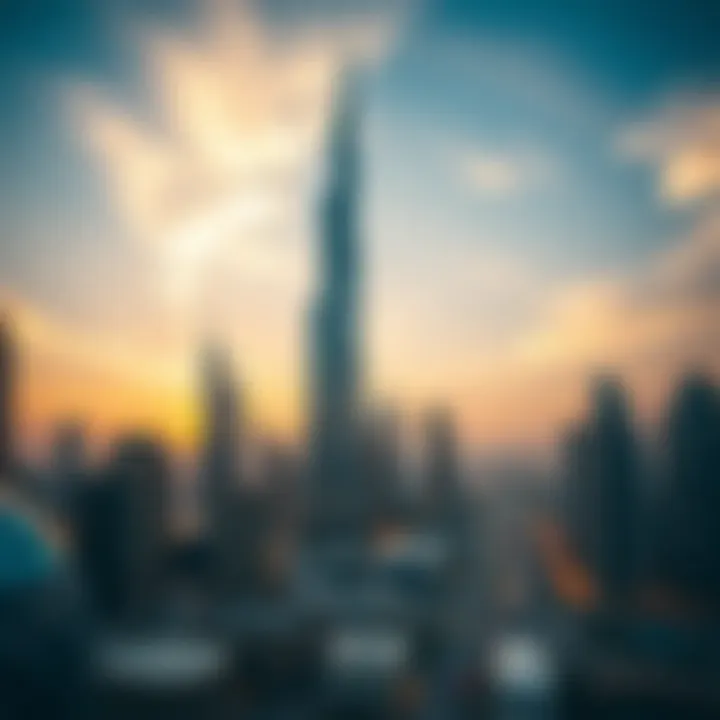
Moreover, the combination of luxury and functionality that Zabeel Tower embodies means it stands out in a crowded market. Its high-rise design and exclusive features appeal to wealthy individuals as well as multinational corporations seeking a prestigious address. Investors can thus expect high rental yields, making properties around Zabeel Tower particularly attractive in terms of return on investment.
Market Trends in the Area
Recent data shows an upward trajectory in real estate prices within the Zabeel district. The demand for premium properties continues to rise, driven by both local and international buyers. Here are some key observations:
- Increasing Demand: The noteworthy demand within the luxury segment has led to prices experiencing a steady increase of approximately 5-7% per annum, outpacing many other neighborhoods in Dubai.
- Investor Diversification: More investors are looking beyond traditional markets, and properties in proximity to Zabeel Tower are emerging as prime contenders. This trend is supported by growing interest from expatriates and affluent professionals.
- Infrastructure Development: Ongoing infrastructure projects further bolster property values. Enhancements in public transport and nearby facilities significantly add to the area's appeal, driving future investment.
With keen eyes on the market, savvy investors can dive deeper into segments that might not have been popular previously, tapping into hidden gems that the Zabeel Tower area might offer.
Prospects for Future Developments
The landscape around Zabeel Tower is not static; it's evolving. The future looks promising for additional developments in this area. Consider the following:
- Mixed-Use Projects: The trend towards mixed-use developments is likely to gain traction. New projects may include residential, commercial, and leisure components, creating vibrant communities that promote a work-live-play environment.
- Smart City Initiatives: Dubai's ambition toward becoming a leading smart city will undoubtedly impact Zabeel. Expect to see innovations in property management and smart home technologies that attract tech-savvy investors.
- Sustainability Focus: With increasing global emphasis on green building practices, future projects will likely prioritize eco-friendly designs. This shift is expected to enhance long-term value and appeal to environmentally-conscious buyers.
Ultimately, Zabeel Tower and its surroundings present a unique case study of how architectural significance intertwines with real estate potential, making it essential for investors to keep a close watch on developments here. The role of Zabeel Tower as a flagship of architectural excellence is matched by its prospects for substantial returns, ensuring that it remains a focal point in Dubai's real estate market.
"Invest where you believe in value, and Zabeel Tower is a testament to that belief."
For those interested in further insights on real estate trends in Dubai, resources such as Property Finder or reports from Dubai Land Department can provide valuable information.
Visitor Experience of Zabeel Tower
The experience of visiting Zabeel Tower goes far beyond simply gazing at its stunning architectural design. It encompasses how well visitors can reach the tower and what they can expect when they step inside its impressive structure. Understanding the visitor experience is crucial as it provides insights into the tower's accessibility and the amenities it offers, which are vital for anyone considering investment or engagement with this iconic piece of Dubai's skyline.
Accessibility and Transportation
When it comes to accessibility, Zabeel Tower is well-positioned. Situated within the bustling heart of Dubai, it is easy to access through various modes of transportation. The metro system in Dubai, known for its efficiency, might be the best option for visitors. The nearest metro station is the World Trade Centre, which is just a stone's throw away from the tower, making it convenient for tourists and locals alike.
Moreover, ample public bus services facilitate easy access for those preferring ground transport. Taxis and ride-share services are readily available throughout the city, ensuring that reaching Zabeel Tower is never a hassle. Parking facilities for private vehicles are also abundant, further enhancing the convenience.
In addition to traditional transportation, expansion in Dubai’s infrastructure, like the new routing of tram lines, and pedestrian pathways, contributes to making the area around Zabeel Tower more walkable and connected. As a bonus, the surrounding area features various landmarks such as the Dubai World Trade Centre, which might be an excellent opportunity for visitors to combine business with leisure.
Amenities Available
Once visitors arrive at Zabeel Tower, they will find a variety of amenities that aim to enhance their experience. Several high-end retail shops can be found within and around the tower, providing options for visitors looking to indulge in some shopping. Additionally, eateries offering diverse culinary choices, from local delicacies to international cuisine, are available so guests can refuel as they explore.
Zabeel Tower may also boast several facilities that cater to business needs, including meeting rooms and conference spaces that are among the best in the region.
Other amenities worth mentioning include:
- Wi-Fi Connectivity: Visitors can stay connected with complimentary high-speed internet available throughout the premises.
- Information Desks: Friendly staff are ready to assist with any inquiries or guidance needed.
- Lounge Areas: Comfortable places for individuals to relax or hold informal meetings.
Finale
The significance of Zabeel Tower extends far beyond its striking architectural presence in Dubai's skyline. It serves as a testament to the city’s ambition and forward-thinking spirit, mirroring the rapid urban development that characterizes this global hub.
Summary of Insights
Throughout the article, we explored various dimensions of Zabeel Tower—from its historical and architectural background to its design philosophy and the cultural impact it bears on the community. It’s clear that this structure is not just a building; it’s a symbol of Dubai’s ever-evolving identity. Here are the key insights drawn from our exploration:
- Architectural Innovation: The tower exemplifies the fusion of modern engineering techniques with traditional aesthetics, showcasing a blend that respects the past while embracing the future.
- Cultural Resonance: The symbolism in its design resonates deeply with the inhabitants, marking it as a significant landmark in Dubai's cultural landscape.
- Real Estate Viability: The property market surrounding Zabeel Tower remains robust, making it an attractive option for investors, homebuyers, and property managers looking to capitalize on ongoing urban development.
- Visitor Accessibility: With straightforward access via various transportation means, Zabeel Tower remains a must-see, helping to increase foot traffic and enhance its visibility as a premier location.