Exploring Jamal Tower: Dubai's Architectural Marvel
Intro
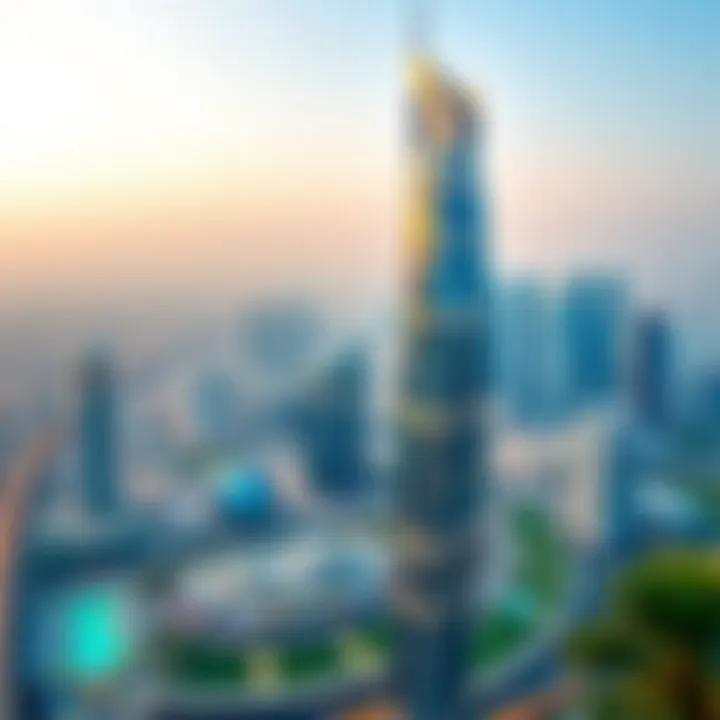
The Jamal Tower stands as a testament to Dubai's ever-changing architectural landscape. Rising from the bustling heart of the city, this impressive structure does more than just scrape the sky; it encapsulates the aspirations of a city that thrives on innovation and opulence. As you wander through its intricacies, you'll find it serves not only as a noteworthy landmark but also as a microcosm of Dubai's real estate dynamics.
For those aiming to delve into property investment, the Jamal Tower offers a plethora of insights. From examining its historical significance to understanding modern design philosophies, this exploration aims to equip investors and architecture enthusiasts alike with the knowledge needed to navigate the market surrounding this iconic structure. With its unique blend of cultural influences and cutting-edge design, we will analyze the market trends, investment opportunities, and the overall effect the Jamal Tower has on Dubai's skyline.
As we embark on this journey through various sections—including market trends and investment opportunities—prepare to uncover not just the exterior beauty, but also the complex layers that make the Jamal Tower a pivotal piece of Dubai’s architectural narrative.
Preamble to Jamal Tower
Jamal Tower stands tall as a beacon of modernity and grandeur in the heart of Dubai. Known not just for its eye-catching design but also for its role in shaping the city's skyline, this structure has captured the imagination of developers, investors, and tourists alike. Understanding the significance of Jamal Tower unfolds a narrative that intertwines economics, architectural innovation, and cultural representation.
Overview of Jamal Tower's Significance
At a glance, investors view Jamal Tower as more than just another skyscraper; it represents a tangible symbol of Dubai's rapid transformation into a global hub. The tower's design is a reflection of the city's ambition, striving toward the future while paying homage to its rich heritage. Potential homebuyers also find a unique mix here—ownership of not only a piece of property but also a slice of Dubai’s illustrious identity.
This landmark isn’t merely about its physical structure. Its presence in Dubai’s real estate market influences trends and provides opportunities for significant investment. With views that make one swoon, the tower serves as a melting pot for locals and tourists. This is where business meets pleasure, making it a focal point for commercial activities and leisure pursuits alike.
Historical Background
The story of Jamal Tower is woven into the ongoing narrative of Dubai’s evolution since its inception. This majestic structure was conceptualized amid a flurry of development projects that defined the early 2000s, a time when the city was gaining traction on the global stage. The vision behind the tower was bold—to create not only a functional space but also an iconic symbol that would stand the test of time.
In its formative years, the Jamal Tower faced a host of challenges, from regulatory hurdles to economic fluctuations. Yet, its completion marked a pivotal moment, signaling to investors that Dubai was a fertile landscape for growth and opportunity. Far from just adding another building to the skyline, Jamal Tower has, over the years, engendered a shift in how urban spaces can be conceived and utilized.
As if echoing the past, the tower’s architecture brings forward elements reminiscent of Islamic art, interlacing contemporary design with traditional motifs. It’s nearly emblematic of Dubai itself—rooted in history, yet resolutely futuristic. With its towering height and scintillating façade, Jamal Tower has managed to capture an essence—a sense of aspiration and achievement that resonates across cultures.
Jamal Square, the area surrounding the building, is filled with cafes, shops, and parks, enhancing the experience of living and working nearby. This blend of functionality and aesthetic appeal makes it a captivating topic worth exploring, as it sheds light on how elements of culture, commerce, and community converge in one iconic spot.
Architectural Design and Features
The architectural design and features of Jamal Tower are not just a treat for the eyes—they serve as a testament to what modern urban development can achieve. This section explores how the tower's design philosophy, material choices, and structural elements contribute to its identity and functionality, thus offering insights into its importance in Dubai's eclectic skyline.
Design Philosophy
The design philosophy surrounding Jamal Tower stands as a critical element in understanding its allure. Crafted with the intention to harmonize beauty and utility, the aesthetics embrace both contemporary and traditional Arabian architecture.
Think of the tower as a bridge between the past and the future. Its sleek lines and expansive glass façades reflect a forward-thinking ethos, while subtle nods to local architectural motifs anchor it in its cultural roots. This blend aims not just to beautify the environment but also to evoke a sense of belonging among its residents and visitors.
A diving deeper into the layout reveals an emphasis on open spaces, which fosters community interaction. Large communal areas and thoughtfully designed private spaces indicate a growing trend in urban architecture where human connection is prioritized, thereby enhancing overall quality of life.
Materials and Sustainability
Selecting the right materials is another layer in Jamal Tower's narrative. The use of high-quality, sustainable materials underscores a commitment to environmental stewardship and durability. For instance, glass panels not only provide stunning views but also maximize natural light, reducing the need for artificial lighting. This aids in energy conservation, aligning with Dubai's goals for sustainable development.
Moreover, features such as green roofs and energy-efficient systems promote biodiversity while minimizing urban heat—a crucial consideration in a desert climate. Such choices signal to investors and environmentally-conscious buyers the potential for cost savings and a reduced carbon footprint.
*Sustainability is not merely a trend; it’s a necessity in building iconic structures like Jamal Tower.
Key Structural Elements
Examining the key structural elements of Jamal Tower reveals the careful engineering that has gone into its creation. The use of reinforced concrete provides durability, while state-of-the-art seismic resistance technologies ensure safety amidst natural threats, aligning with the region's engineering standards.
The tower's height is noteworthy as well; standing proudly amidst a skyline peppered with skyscrapers, its stature is more than just a matter of pride. Structural elements such as deep-set foundations and lateral bracing systems contribute to its stability, allowing for a height that competes with other iconic buildings in the area.
An additional aspect worth mentioning are the cantilevered sections that extend outward, creating unique terraces and balconies. This innovative use of space not only enhances the external aesthetics but also allows for breathtaking views of the Arabian Gulf.
In summary, Jamal Tower’s architectural design and features encapsulate a forward-thinking vision, anchoring its place within Dubai's urban fabric. Investors and homebuyers can understand its significance not just in terms of residence or investment but as part of an evolving story that combines culture, sustainability, and innovation.
Jamal Tower's Role in the Real Estate Market
Jamal Tower stands as a pivotal figure in Dubai's real estate landscape. Its significance stretches beyond mere aesthetics; it encapsulates the dynamic shifts and trends inherent in the region's property sector. As the market continues to evolve, this iconic structure represents both opportunities and challenges for investors, homebuyers, and property managers alike. By understanding Jamal Tower's position within the marketplace, stakeholders can make informed decisions and better navigate the complexities of real estate in Dubai.
Current Market Trends
Diving into the current state of Dubai's real estate market reveals a blend of high demand and shifting buyer preferences. Properties like Jamal Tower are becoming increasingly desirable due to their blend of modern design and superior amenities.
- Increased Demand: There is a growing interest among international buyers, buoyed by favorable foreign investment policies.
- Luxury Segment Growth: High-end properties are witnessing a surge, driven by affluent expats seeking both residences and investment opportunities.
- Sustainability Focus: Buyers are increasingly leaning towards developments that prioritize eco-friendly designs and sustainable living, something that Jamal Tower embodies.
These trends signal a robust yet competitive market where landmark developments like Jamal Tower not only attract attention but also set benchmarks for quality and innovation.
Investment Potential
Investing in properties like Jamal Tower can yield substantial returns, especially when one takes into account the ongoing urban development and infrastructure improvements in the surrounding areas. Here are key investment considerations:
- Capital Appreciation: As the Dubai skyline transforms, the potential for value increase in properties like Jamal Tower could be significant.
- Rental Yields: The tower's prime location offers promising rental yields, appealing to investors looking for steady income.
- Mixed-Use Benefits: Its varied amenities attract a diverse tenant profile, ensuring a consistent flow of interested buyers or renters.
Properties in this area are becoming hot cakes, appealing to both local and international investors alike, making it a wise choice for those looking to capitalize on Dubai's thriving market.
Comparison with Nearby Developments
When positioning Jamal Tower against its neighbors, one can see how it holds its ground with distinctive features and amenities that set it apart. While other developments may share a high-rise status, Jamal Tower offers unique elements:
- Architectural Design: Its innovative design philosophy places it ahead of more traditionally styled neighboring buildings, attracting attention for its striking appearance.
- Amenities: Equipped with modern amenities not always found in other towers, Jamal Tower provides a comprehensive living experience that stands out—parks, gyms, and retail spaces right at residents’ doorsteps.
- Strategic Location: Nestled within Dubai's bustling districts, it enjoys proximity to major commercial hubs, making it an attractive venture for businesses and residents alike.
By analyzing these factors, it becomes evident that Jamal Tower not only competes with nearby developments, but often rises to the top, buoyed by its excellent positioning within the market.
For further insights, interested parties might explore Dubai Land Department or gather community opinions from forums like Reddit.
The journey of understanding Jamal Tower's influence on the market is merely a stepping stone towards grasping the broader narrative of urban growth in this metropolis.
Impact on Community and Lifestyle
Contributions to Urban Development
The Jamal Tower stands not just as a monumental symbol of architectural prowess but also as a catalyst for urban growth in its vicinity. Since its inception, the tower has spurred significant developments in the surrounding area, providing a clear sense of direction for urban planning. The tower’s design, while striking, serves practical purposes that assist in optimizing space and functionality. A well-planned lap between residential spaces, commercial outlets, and public services ensures a vibrant community setting. This thoughtful arrangement bolsters the live-work-play concept, merging living spaces with commercial opportunities seamlessly.
The ripple effect of Jamal Tower’s construction can be seen in the increased infrastructural developments nearby, such as new roads, green spaces, and, not to mention, transit links that enhance accessibility. Consequently, the investment in the immediate area has risen, making it attractive for both local residents and international investors. Additionally, its height and prominence mean this tower becomes a beacon of urban sophistication, encouraging more architectural projects in the vicinity that strive to match its elegance.
Amenities and Services
Jamal Tower has been strategic in providing a variety of amenities that significantly enhance the lifestyle of those who live and work nearby. From state-of-the-art fitness centers to rooftop gardens that offer a respite from the bustling city below, this tower caters to a holistic lifestyle. There's an expansive food court within the structure that serves up a medley of local and international cuisines, which becomes a draw for those seeking culinary experiences without straying too far from their workplace or home.
It's not all just business and fitness; families also find their needs met, with several nurseries and family-friendly activities scattered around the tower. Notably, Jamal Tower is designed with an integrated community approach, ensuring that basic needs—such as grocery shopping, healthcare clinics, and recreation areas—are all within easy reach.
In a nutshell, the tower's management has put thought into creating a self-sufficient ecosystem, making life considerably more convenient for commuters and residents alike. This fosters a real sense of community, where individuals can engage without the inconvenience of long travels, promoting a stable environment for living and working.
Cultural Significance
Beyond its practical offerings, Jamal Tower contributes significantly to the cultural fabric of Dubai. By embracing local motifs in its architectural design, it not only reflects modernity but also intertwines with traditional elements, thereby bridging the past and the present. The structure holds potential for art exhibitions, cultural events, and community gatherings, which add to its vibrancy.
Moreover, the tower serves as a platform for showcasing talent, often hosting local artists and musicians, allowing them to make their mark in the cultural landscape. This aligns with Dubai’s broader goal of promoting arts and culture within the city.
Ultimately, the Jamal Tower does much more than dictate the skyline. Its role extends to shaping community identity, where individuals gather, interact, and find common ground. Events hosted at or around the tower enrich the cultural conversations within the city, encouraging residents to connect with their heritage and each other in meaningful ways.
Challenges and Criticisms
In discussing the Jamal Tower, it’s vital to explore the challenges and criticisms surrounding this landmark. Understanding these issues helps paint a more nuanced picture of the tower's significance and the complexities of architectural endeavors in modern Dubai. This examination is not merely an academic exercise; it resonates with potential investors and homebuyers who might be impacted by these critiques and logistical challenges.
Construction and Regulatory Issues
Building a skyscraper in a city that never seems to stop evolving certainly isn’t a walk in the park. Jamal Tower encountered its fair share of construction hurdles, primarily attributable to strict regulatory demands imposed by Dubai's authorities. These regulations serve a critical purpose, ensuring safety, sustainability, and alignment with the overall urban development goals of the emirate. For example, compliance with Dubai Building Code and environmental standards can lead to extended timelines and increased costs.
Both stakeholders and construction firms must navigate these intricate guidelines while keeping to project budgets and schedules. A notable instance involved the tower’s initial design modifications, which were required to meet height and structural stability regulations. The need for these alterations can cause between a few weeks to several months in delays, which could frustrate investors waiting eagerly for completion.
However, these hindrances also incite the necessity for innovation. Building teams have had to devise novel ways to meet the challenging demands while ensuring the project advances as planned.
Environmental Considerations
The environmental impact of Jamal Tower has also drawn attention. As Dubai continues to grow into a regional and global hub, discussions surrounding eco-sustainability become increasingly crucial. Critics argue that while skyscrapers symbolize progress, they often come at the expense of local ecosystems. For Jamal Tower, initiatives aimed at minimizing such impacts have been implemented, yet challenges remain.

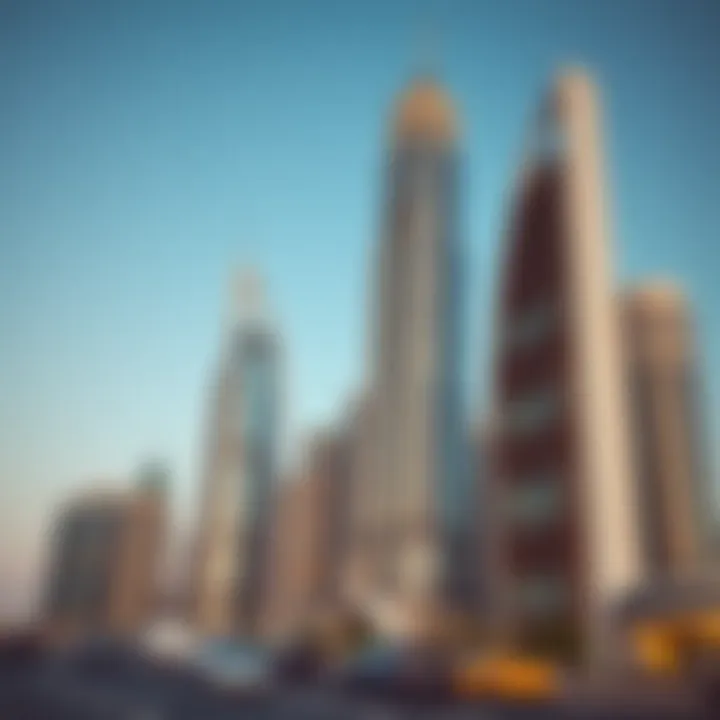
The tower was designed with energy efficiency in mind, featuring green building materials and systems that reduce energy consumption. Nonetheless, the carbon footprint associated with construction is still a concern, especially when building towering structures in a desert climate. The desire for luxury and aesthetics can conflict with ecological demands.
One possible solution lies in greater community engagement during the planning stages, where public opinion can help balance economic ambitions with environmental priorities. By prioritizing local habitats and green spaces, developers could offer a more comprehensive approach to urban growth, which may provide a competitive edge in the market.
"Every skyscraper tells a story, but not all stories resonate with the community."
By addressing construction setbacks and environmental issues, the Jamal Tower stands as a learning example rather than just a point of contention. Investors and homebuyers need to understand both sides of the coin to fully grasp the significance of this landmark in Dubai's skyline.
Relevant Resources to Explore
Future Prospects for Jamal Tower
The Jamal Tower is not just a glimmering feature of Dubai's skyline; it represents a dynamic aspect of the city’s evolving narrative. The prospects surrounding this landmark play a crucial role in shaping the entire landscape, from urban development to real estate investments. Understanding these future prospects is essential for those keen on grasping what’s next for not just the tower but also the broader implications on Dubai's architectural journey.
Projected Developments
Looking ahead, several projected developments around Jamal Tower are likely to reshape its influence. Given its prime location, there is chatter about potential expansions and renovations that may enhance the landmark's stature.
- Mixed-Use Spaces: Plans to integrate more mixed-use developments could be on the table. This means the tower might see the addition of retail spaces and entertainment hubs that could draw in even more visitors.
- Technological Integration: The idea of incorporating smart technologies into the building’s existing infrastructure is circulating. As tech moves forward, features such as enhanced security systems, energy efficiency measures, and even interactive displays could materialize.
- Green Initiatives: The buzz is also about sustainability. There could be future implementations of solar panels or green roofs aimed at reducing the building's carbon footprint and embracing eco-friendly practices, which are becoming more vital as urban areas grow.
Investors would do well to keep an eye on these trends. As urban planners eye Jamal Tower for such innovative developments, it could bolster both its market value and appeal within the community.
Long-Term Impact on the Dubai Skyline
The long-term impact of Jamal Tower on the Dubai skyline is profound. This iconic structure isn’t just a complement to the existing architectural wonders; it could serve as a catalyst for even more ambitious constructions in the region.
- Skyline Redefinition: With Dubai's already remarkable skyline, the anticipated upgrades to Jamal Tower could usher in a new era of design philosophies that prioritize sustainability and multi-functionality. If handled well, it could redefine what future buildings aspire to be.
- Cultural Beacon: A continuously evolving Jamal Tower, aligned with Dubai’s modern aesthetics, might solidify its status as a cultural symbol. This could encourage other developers to rethink their architectural approaches, pushing the limits of innovation even further.
- Real Estate Ripple Effect: As the tower undergoes transformation, nearby properties may see a spike in value and demand. Investors looking to stake a claim in the region could be drawn by the buzz surrounding the tower, understanding that a vibrant ecosystem could lead to lucrative returns.
As Dubai continues to grow, the evolution of Jamal Tower illustrates not only the changing face of the city but also the adaptive spirit of real estate investments in this thriving metropolis.
In summary, the future prospects of Jamal Tower are not only encouraging but crucial for understanding where Dubai's architectural and economic landscapes are headed. Keeping a close eye on these projected developments will provide significant insights for investors and stakeholders alike.
The End
As we wrap up our discussion on Jamal Tower, it's paramount to recognize its multifaceted significance in Dubai's architectural and real estate landscape. This landmark is not merely a structure; it symbolizes the evolving nature of urbanization in one of the world's fastest-growing metropolitan areas.
Recap of Jamal Tower's Importance
Jamal Tower stands as a beacon of modern engineering and aesthetic appeal, serving multiple roles that extend beyond its physical presence. Here are some key takeaways:
- Architectural Innovation: The tower showcases a blend of innovative design and sustainable practices, emphasizing how aesthetics can harmonize with functionality. Its sleek lines and unique form have attracted admiration from both critics and casual observers alike.
- Real Estate Influence: The presence of Jamal Tower has invigorated the surrounding real estate market. Its upscale offices and residential units cater to a diverse group of tenants, encouraging investment in the nearby areas and driving property values upward.
- Cultural Landmark: More than just a space for business, Jamal Tower plays a vital role in Dubai's cultural landscape. It has become a meeting point for entrepreneurs, innovators, and community members, fostering a sense of connectivity and collaboration.
- Future Developments: With various future projects planned around the tower, it is poised to remain a significant part of Dubai's skyline. The potential developments could bring further amenities, thereby enhancing the lifestyle of inhabitants and visitors alike.
In summary, Jamal Tower encapsulates the essence of Dubai's rapid growth and urban evolution. Its influence stretches across architectural discourse, real estate dynamics, and community engagement, making it a critical focal point for investors, homebuyers, and property managers. Understanding its importance allows stakeholders to make informed decisions that align with the future trajectory of this vibrant city.
"The skyline of Dubai tells the story of a city that dreams big and builds bigger. Jamal Tower is a testament to that ambition."
To explore further about Dubai's real estate scene, potential investors can refer to Dubai Land Department and for architectural insights, the Council on Tall Buildings and Urban Habitat is an invaluable resource.